
HBS-I
The High-Brilliance Neutron Source – Phase I (HBS-I) is a project aimed at developing an innovative, compact, accelerator-driven neutron source. The project utilises pulsed high-current proton beams to generate neutrons via a low-energy nuclear reaction in a target material, which requires less radiation shielding and moderator cooling than conventional neutron sources.
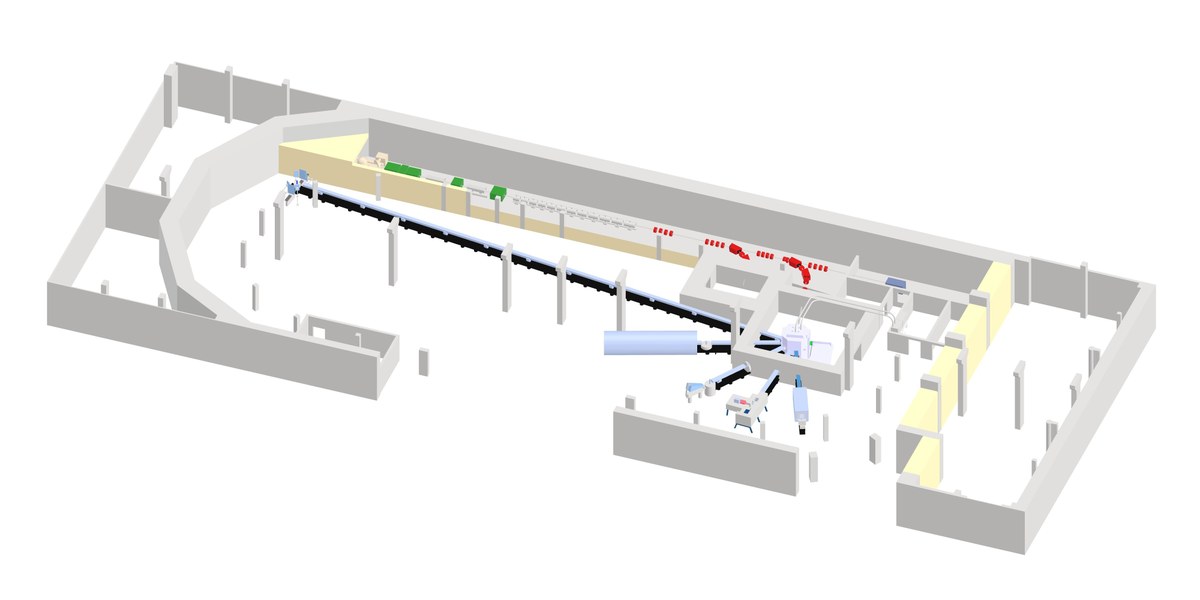
The facility is designed to generate small-diameter neutron beams, which enables experiments with smaller sample volumes. This supports research in the materials and life sciences, including materials for energy conversion and storage, nanomaterials, quantum materials, protein structures and biomaterials. Furthermore, HBS-I aims to ensure the supply of important medical radioisotopes. As a user-oriented facility, HBS-I is to be open to a multidisciplinary community comprising universities, research institutes and industry.
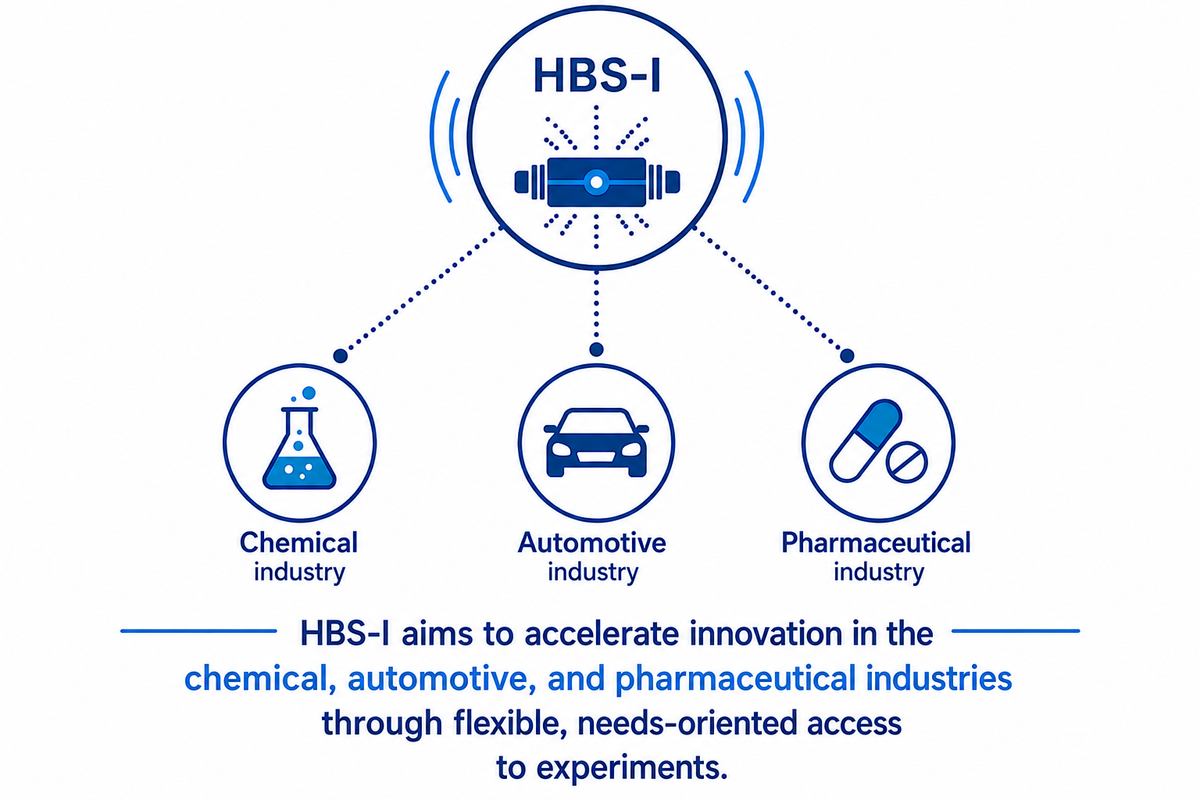
The HBS-I project contributes to the strategic research focus Energy and Climate at Forschungszentrum Jülich. The research infrastructures are planned with sustainability in mind throughout their entire life cycle. The focus is on future-proof planning and operational approaches that take into account environmental, technical, economic and process-related qualities in accordance with the German Sustainable Building Council.
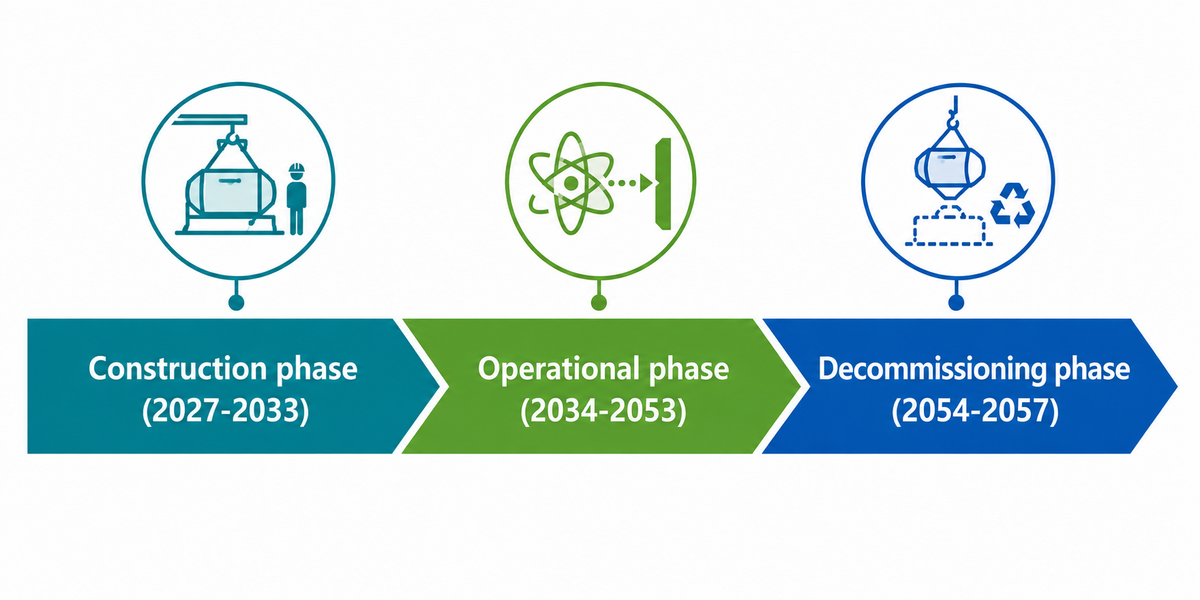
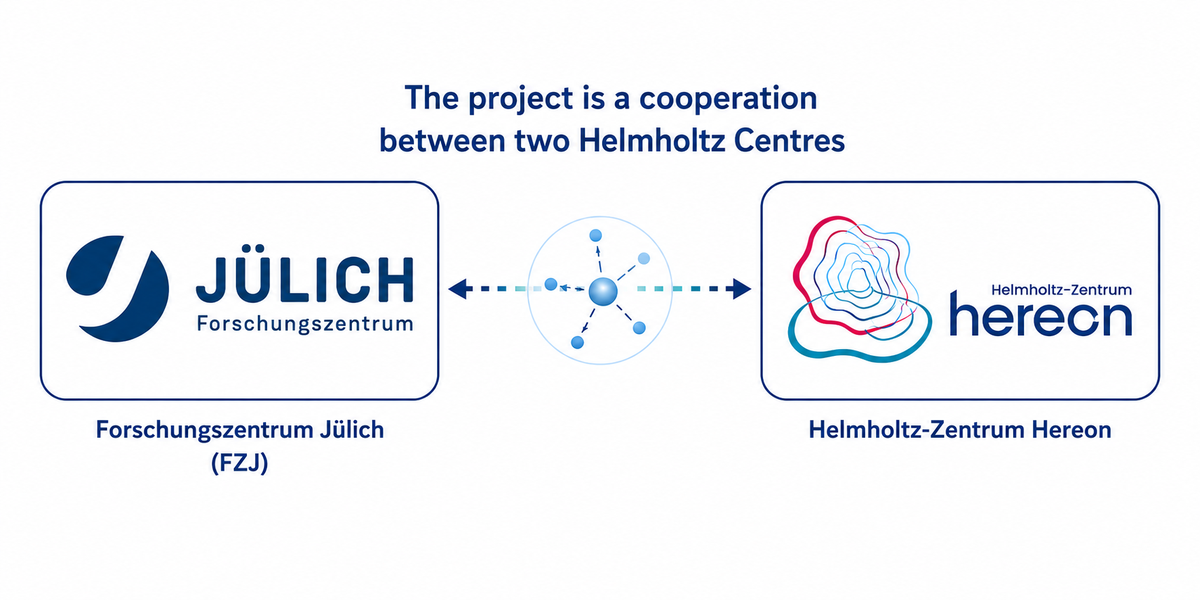
In July 2025, the German Federal Ministry of Research, Technology and Space placed the HBS-I project on the official shortlist of the new federal funding program for large research infrastructures. Forschungszentrum Jülich is collaborating closely with the Helmholtz-Zentrum hereon on the HBS-I project.
The German user community is proud of Germany's pioneering role in developing the innovative concept of the high-brilliance HBS. A timely investment in the construction and operation of an HBS-I in Germany is essential for our research with neutrons."
All infographics created with the help of OpenAI.